Track hormonal mood and energy for daily planning
Aavia: Hormone Cycle Tracker from Aavia helps individuals with ovaries translate hormonal shifts into practical day-to-day guidance. The app records mood, energy, skin, sleep and other daily metrics, then offers phase-based recommendations for nutrition, workouts, and productivity. It also provides period and ovulation predictions, a Cycle Charge energy preview, and Cycle School educational content. Gen Z and people managing cyclical symptoms gain pattern visibility to plan activities and prepare for medical appointments.
Maps symptoms across the full hormone cycle, not just bleed dates
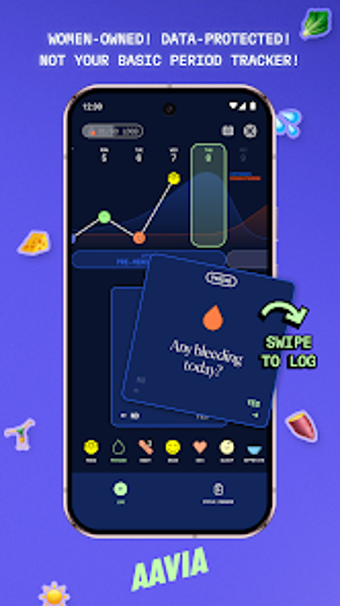
Aavia focuses on daily signals, asking users to log mood, energy, skin, sleep, appetite, discharge and sex drive so phase-linked patterns emerge. The app converts those entries into a visible rhythm users can inspect, with the Cycle Charge feature giving a quick glance at expected daily energy. That daily logging model is designed for routine use, turning repeated short inputs into clearer cycle timelines.
Fits into mobile routines and supports clinical conversations
The app runs on Android and is also available on iOS, so it sits on phones people already use for habit tracking. Aavia produces period and ovulation predictions intended to help plan ahead, and its data-driven insights are presented to help users explain symptom patterns during appointments. The design favours short daily interactions, which matches calendar and task-oriented habits for planning.
Design and learning tools encourage continued use but have mixed stability reports
Aavia pairs an aesthetic interface with educational material called Cycle School and personalized tips, which users cite as helpful for understanding why symptoms change. The app also hosts an anonymous, moderated community for peer support. Some users reported technical issues in earlier releases, so the experience can vary by device and update cycle.
Privacy-first handling and clinical limits shape expectations
Privacy controls are explicit: the app offers anonymous sign-up, allows users to delete data, and states it does not sell personal health information. Aavia flags patterns that may align with conditions such as PMDD or PCOS but does not provide medical diagnoses, so users should treat tracked trends as evidence to discuss with clinicians rather than as definitive clinical conclusions.
To sum up, Aavia suits routine-focused trackers who need pattern clarity
To sum up, Aavia is a practical choice for Gen Z and people with ovaries who want clearer symptom patterns to inform daily planning and clinician conversations. It is best used as a logging and learning tool rather than a diagnostic instrument. For the clearest benefit, maintain consistent short entries across several cycles so trends become visible and actionable in routine life.